Online THC delta 9: How to Spot Quality and Avoid Fakes
Buying delta-9 THC online can be convenient, but it is also where quality problems show up fastest. I have seen the difference between a product that was made with care and one that was assembled like a science fair project, and the contrast is usually obvious once you know what to look for. The tricky part is that “obvious” is different than “advertised,” and fakes rarely announce themselves as fake. They just look good on a storefront.
This matters more than people expect. Delta-9 THC products are not all the same, even when the label says the same thing. The starting material, the extraction and refining method, the consistency of the final dose, and the quality controls during packaging all influence what ends up in your body. When you buy from an unknown seller, you are also buying blind on those variables.
Below is how to evaluate online THC delta 9 with a practical, real-world lens. I will focus on delta-9 THC products that are sold online, commonly marketed as hemp-derived or otherwise compliant where legal. If your local laws are strict, follow them first. If you are unsure, treat any purchase as something you do at your own risk.
Why “delta-9 THC” on the label is not the whole story
A label that reads “Delta-9 THC” tells you only one piece of the puzzle. It does not automatically tell you:
- whether the product contains the stated amount per serving,
- whether the product’s potency stays consistent across batches,
- whether solvents or residuals were controlled properly,
- or whether the product’s formulation was tested in a way that matches how it is actually sold.
In practice, the most reliable sellers make it easy to verify. They show documentation, and they do not treat the paperwork like a marketing accessory. When a product is genuinely quality-focused, the details line up: potency, batch information, lab results, and packaging.
When the product is questionable, the cracks appear in small ways. A tincture that claims a certain mg per ml but tastes harsher than expected. A gummy that is unevenly textured, like the gel base was rushed. A vape where the oil seems thin or watery, or the flavor hits hard for the first few puffs and then fades quickly. None of those are proof on their own, but they are the kind of signals that, combined with missing documentation, should make you pause before you buy THC delta 9 again.
The fastest route to verification: batch-specific proof
If you want to spot quality, start with the documentation, not the description. The key is batch-specific lab testing, usually provided as a COA (certificate of analysis). A COA that is generic, outdated, or obviously copied and pasted is about as useful as a nutrition label without a barcode.
A good COA should correspond to the exact batch you are buying. Look for identifiers that tie back to the product packaging, such as a batch number, lot number, or a harvest or production date. If you cannot find any matching information on the package, you are relying on trust rather than verification.
Here is the practical way to read the situation:
If a seller offers a COA that matches your batch and includes multiple testing categories, you are in the realm of legitimate quality systems. If they only provide a summary image, if the numbers look inconsistent, or if they refuse to provide any batch documentation at all, you are taking a bigger risk.
Also pay attention to what the lab tested. Most quality checks include cannabinoid potency and common safety panels, but the exact menu varies. You do not need to become a chemist. You do need to notice whether the COA is complete enough to make the product’s claims defensible.
Potency claims: where fakes and mistakes hide
One of the most common problems I have encountered with low-quality Thc Delta 9 products is inaccurate dosing. It shows up in two forms.
First is the straightforward issue, the product is simply underpowered or overpowered. Overpowered is the more dangerous scenario for most people, because it increases the chance of overshooting your intended dose. Underpowered is frustrating but can still be a problem, especially if you end up consuming extra to “catch up.”
Second is inconsistency across servings. Gummies can vary if the mixing process is sloppy or if the product is not mixed well before filling. Vapes can vary if the formulation separates during storage or if the cartridge is filled unevenly.
This is why “mg per serving” matters, but it is not enough. The label might say 10 mg per gummy, for example, while the real batch averages could be lower or higher, or the gummies could be uneven within the same bag.
A credible seller will usually back potency claims with batch testing. If the numbers on the COA are tight to the label, that is a strong sign. If the COA is missing, or if it does not match the batch identifiers, assume you are dealing with uncertainty.
Form factor matters: gummies, tinctures, and vape products each have their own failure modes
Different product types fail in different ways. When you know the common issues, you can evaluate faster.
Gummies and edibles
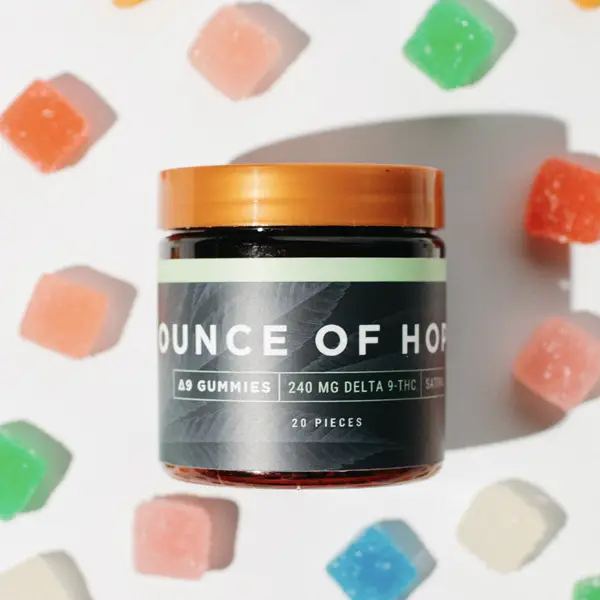
With gummies, watch for texture and consistency. A gummy that looks like it has “sweated” or separated, especially in high heat during shipping, may have had stability issues. Taste can also be revealing. A product that tastes like a strong artificial flavor with a chemical edge can be a clue that the formulation was built to cover up quality gaps.
More importantly, edible dosing accuracy is where documentation helps most. A gummy line with a stable recipe, proper mixing, and consistent batch testing tends to produce repeatable effects.
Tinctures and oils
Tinctures are often marketed for precise dosing, which makes accuracy essential. A high-quality tincture usually has a predictable concentration and a clean formulation. If you notice sediment where there should be none, or if the tincture seems unusually thin and watery for how it is described, it can be a sign of formulation or storage problems.
Still, the real test is potency verification and whether the seller provides batch-specific COA information.
Vapes and cartridges
Cartridges can be the most deceptive, mainly because people evaluate them by feel and taste in the moment. If an oil is off, you might not detect it until you are already committed to the purchase.
Common quality concerns in vapes include inconsistent oil viscosity, harshness, and residue. But I will not pretend you can “smell out” a fake reliably. This is where documentation matters most, because the consumer experience is subjective.
If you ever see a seller claim impossible production practices or refuse to provide meaningful lab results, treat it as a serious red flag.
How to spot quality packaging and labeling details
Fake products often fail at the boring parts. Real manufacturers spend time on details because those details support traceability.
When you receive a product, check for things like:
- batch or lot numbers on the label,
- a clear ingredient list,
- net weight and serving size information that makes sense for the product type,
- and packaging that does not look like it was assembled as an afterthought.
For online THC delta 9 purchases, packaging should not look “almost right.” The font alignment, label clarity, and barcode or QR access, if present, should be consistent with a real production workflow.
A small personal anecdote: I once ordered a delta-9 edible set from a seller that had strong marketing photos, but the batch code on the bag did not match anything they referenced in the listing. When I asked for a matching COA, I got a general document that did not include the relevant identifiers. That mismatch was the deciding factor. I did not finish the purchase. The next batch I tried from a more transparent seller had coherent batch information across the product and the lab sheet.
That kind of mismatch is common enough that it is worth checking every time.
A quick quality check you can do before you buy
If you want a fast decision framework that does not require you to interpret chemistry charts, use this pre-purchase approach. It is short for a reason: you should not need an hour of homework to decide whether a seller is trustworthy.
- Confirm there is a batch-specific COA that matches the lot or batch number on the product listing or packaging.
- Look for potency testing that is specific to Delta-9 THC, not vague “total THC” claims without context.
- Check whether the seller lists clear ingredients and serving size information that is consistent with the product format.
- Review customer feedback for patterns (for example, “dose too strong” or “no effect”) rather than single outliers.
- Verify that the seller’s return and support policies are real, not hidden behind vague contact forms.
This is the practical version of “trust but verify.” It is also how you reduce the odds of wasting money when you buy online THC delta 9 during a sale.
Red flags that usually show up with fakes or sloppy manufacturing
Fakes and low-quality products tend to share a few behaviors. They might not violate laws in an obvious way, but they often dodge transparency.
Here are the most reliable red flags I have seen over time:
- No meaningful batch number or no way to connect the product you receive to lab results.
- A COA that looks generic, missing identifiers, or repeatedly reused across multiple products or dates.
- Potency claims that are extremely confident without any lab documentation that matches.
- Inconsistent labeling, such as serving size math that does not add up or ingredient lists that change between product pages.
- Sellers that push urgency with pressure tactics, especially when you ask basic questions about testing.
If you see multiple red flags together, assume quality problems are more likely than not. One odd detail can be a mistake. Several combined signals usually mean a bigger issue.
The “hemp-derived” question, and why compliance language can still be risky
Many Delta-9 THC products sold online are marketed as hemp-derived. The phrasing varies. Some sellers lean hard on legal language, others treat compliance like a footnote.
I am not going to give legal advice here, because rules vary by country and state. What I can say from a quality standpoint is this: legal compliance does not automatically guarantee quality or safety.
A product can be legally marketed and still be poorly manufactured. That is why the verification steps matter even when the seller sounds confident about compliance.
If you are buying Buy Thc Delta 9 products because you want predictable effects, focus on traceability and testing. If you are buying it because of availability or pricing, the temptation is to accept whatever looks “close enough.” Quality does not work that way.
Pricing traps: when low cost is a hint, not a deal
Discounts happen, but some pricing patterns are a warning. Extremely low pricing for a premium-looking product can be a sign that something was cut. Sometimes that “cut” is manufacturing time. Sometimes it is raw material quality. Sometimes it is lab testing. Sometimes it is all of the above.
The honest sellers you want to buy from are not always the most expensive, but their pricing generally lines up with their documentation. When a seller offers strong lab transparency, consistent branding, and clear traceability, you can usually find deals without feeling like you are buying a gamble.
If you are shopping during promotions, compare cost per mg of delta-9, not just the total price. Also consider how many servings you get and whether the label’s math makes sense. If the math is fuzzy, the product is usually fuzzy too.
Shipping and storage: the quiet factor that changes how products perform
Even a good product can degrade if it is stored poorly. Delta-9 products can be sensitive to heat and time, especially vapes and extracts where formulation and cartridge integrity matter.
If you live somewhere hot, or if your order sits in transit during a heat wave, you might notice differences: gummies can get texture issues, oils can separate, and vape cartridges can perform inconsistently.
This does not mean your purchase is automatically bad. It means you should evaluate the product you received, not just the product that was advertised when it was shipped.
A practical approach: if the product arrived in visibly degraded condition, request a replacement or refund rather than assuming it is supposed to look and taste that way. Reputable sellers understand that shipping events happen and handle issues without making you jump through hoops.
A note on expected effects and dosing judgment
Spotting quality is not only about safety and paperwork. It is also about setting appropriate expectations.
Even among quality products, potency and onset can vary. Edibles often have slower onset and longer duration than vapes or tinctures. That means a first-time dosing mistake can look like a THC delta 9 fake problem when it is actually just timing.
If you are evaluating a new seller, do yourself a favor and avoid “stacking” doses. Use a conservative first dose and wait long enough to judge effects. This helps you separate real quality differences from user timing errors.
That may sound basic, but in real life it is the difference between “This batch is too strong” and “I took a second dose before the first one fully kicked in.”
How to buy again after you find a good one
Once you find a seller and product line that consistently matches the label and provides credible batch testing, staying consistent pays off. Reordering from the same SKU is not just about convenience, it is about reducing variation.
That said, even good brands can change formulations. If they run new batches, you still want to confirm the batch-specific documentation matches.
The goal is Take a look at the site here not paranoia. It is calm verification.
Final checklist: quality without the drama
If you take nothing else from this, take the repeatable habits.
Verify batch-specific lab testing. Cross-check identifiers. Read the label like it is part of the evidence. And be skeptical when the seller asks you to rely on vibes while refusing to provide traceability.
Buying online THC delta 9 should feel like a confident decision, not a coin flip. With the right signals, you can often tell quickly whether you are about to get a product that is made to be reliable, or one that exists mainly to be sold.